Materials Series

Materials Series

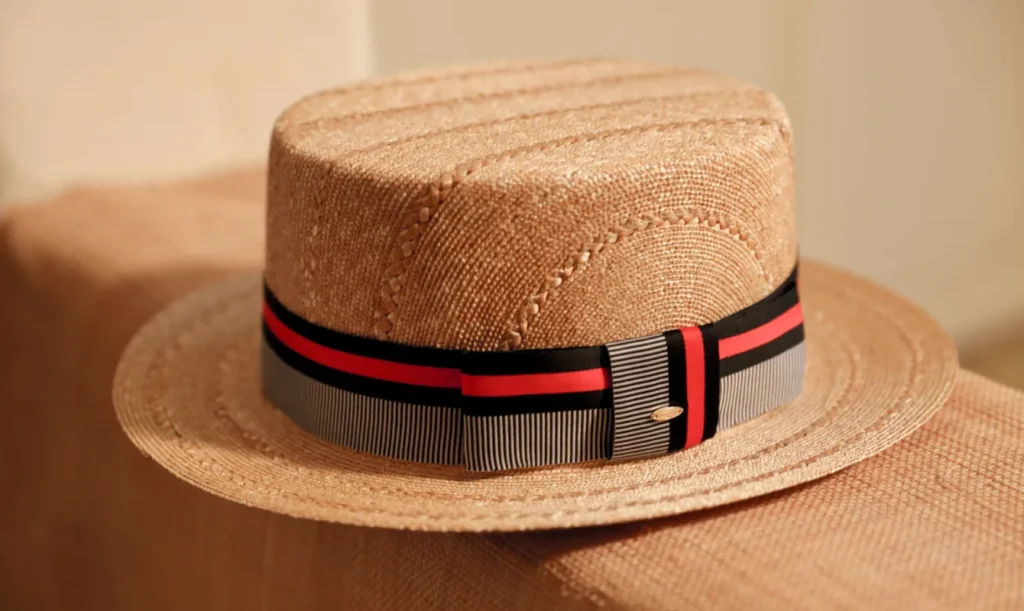
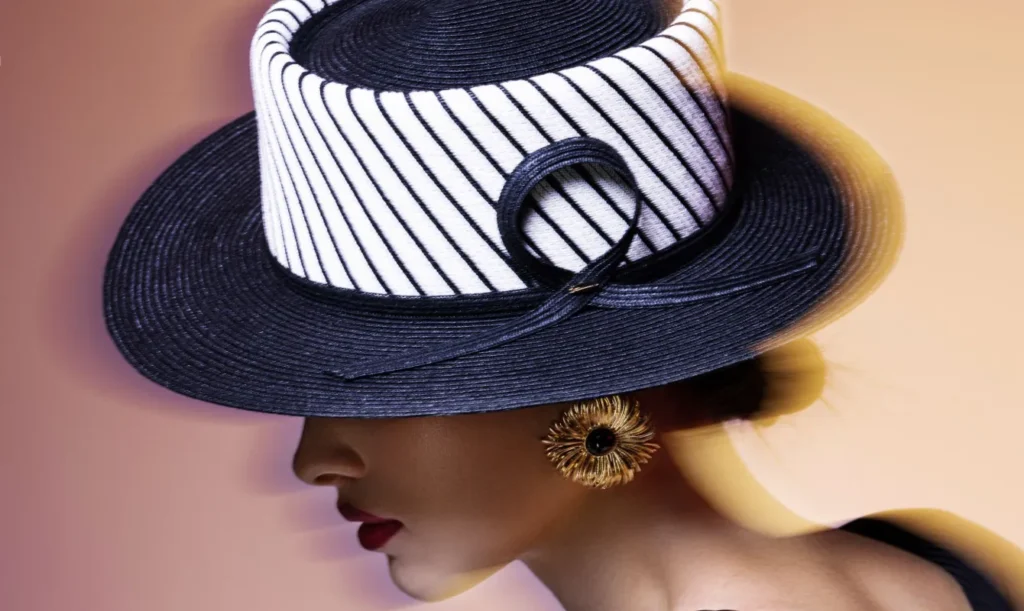
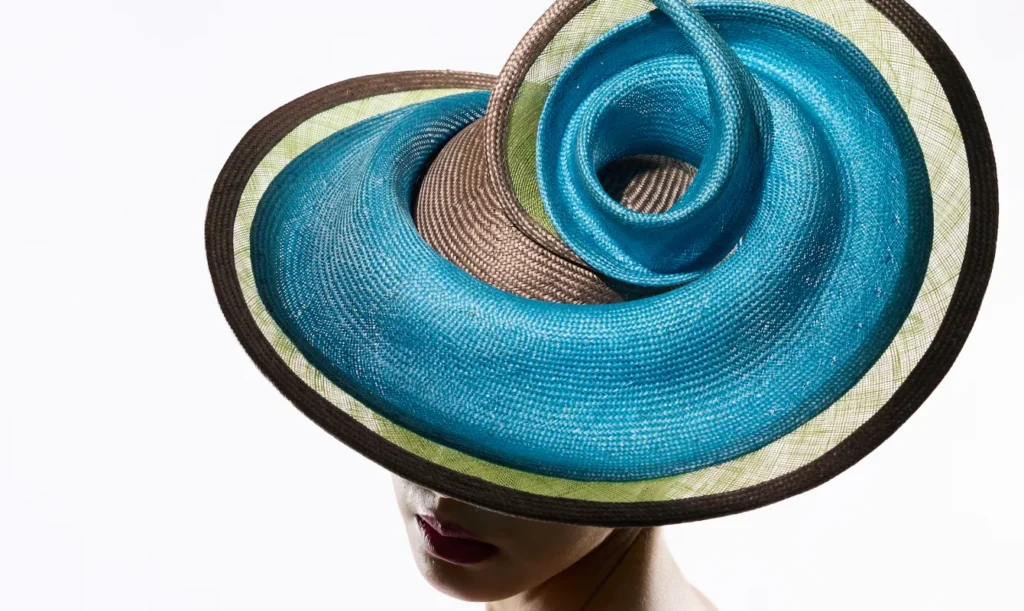
Buntal Straw

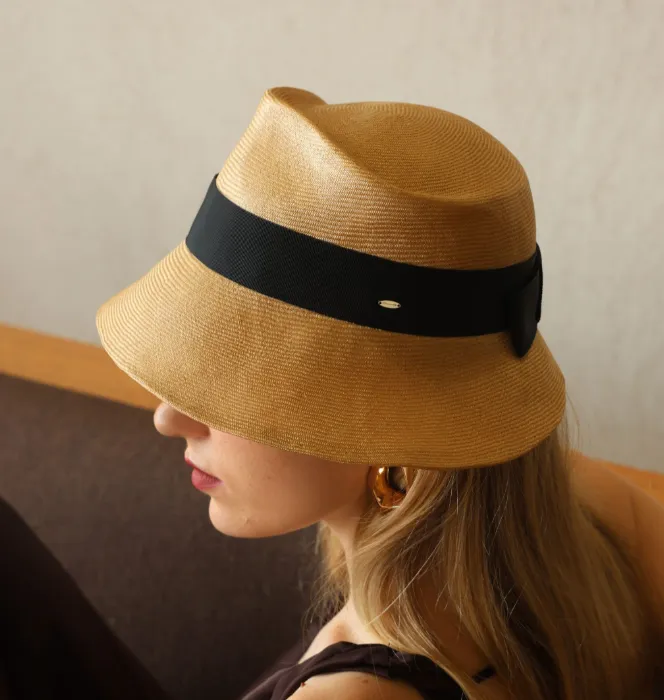
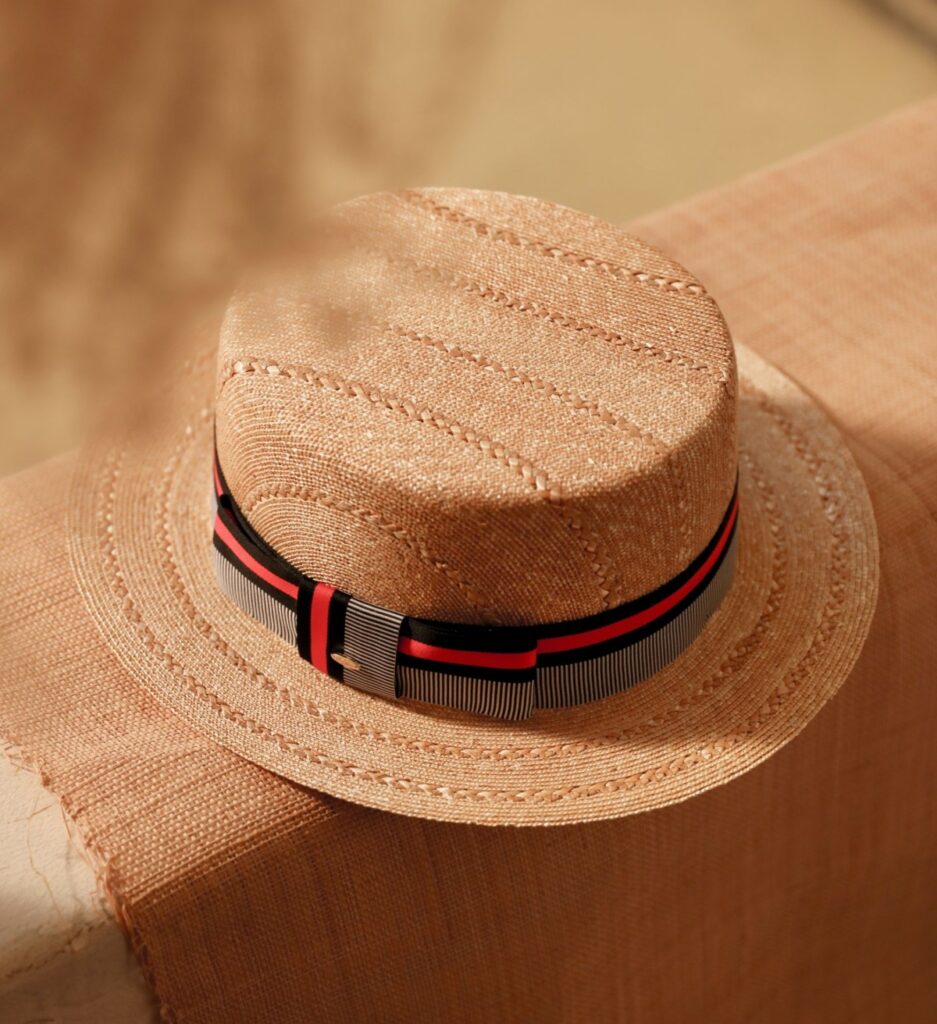
Buntal straw, originating in the Philippines, was introduced to China around 1922 and became the core material for hat weaving. From its boom in Republican-era Ningbo and Shandong to its revival post-1949, the industry expanded globally after China’s reform and opening-up.

Material & Craft

Buntal hats are primarily handwoven using Buntal straw as the core material. Various weaving techniques create diverse styles, and the hats can be further adorned with embroidered patterns.

Wearability &
Features

They are celebrated for being not only elegant and soft but also lightweight, breathable, comfortable, remarkably durable, and easy to carry.

Buntal Straw
Masterpieces

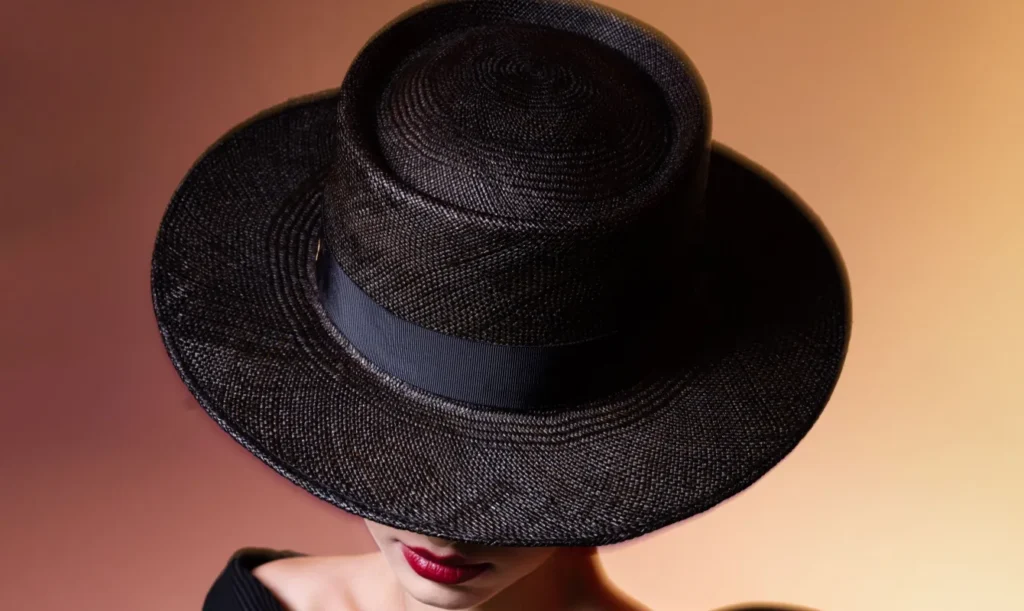
As a leading product from regions like Wenling and Cixi, Buntal straw hats come in over 1,000 varieties with an annual output exceeding 100 million pieces. Exported to over 40 countries and regions, they are masterpieces of straw weaving that retain the natural texture of Buntal straw and are infused with the finesse of hand-weaving, seamlessly blending practicality with aesthetic appeal.

Explore our curated collection of premium leather goods

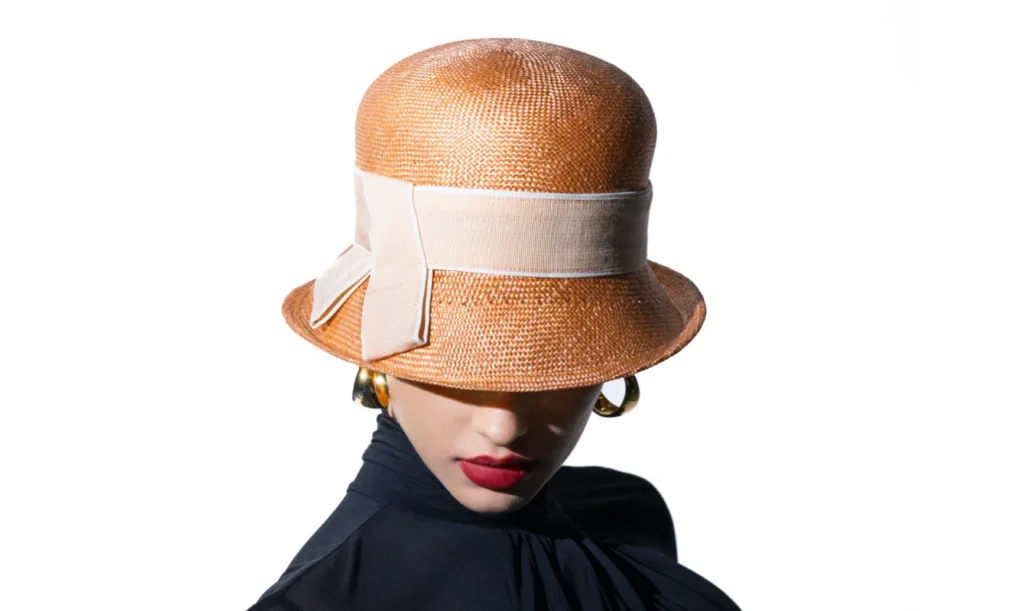
Panama
Straw

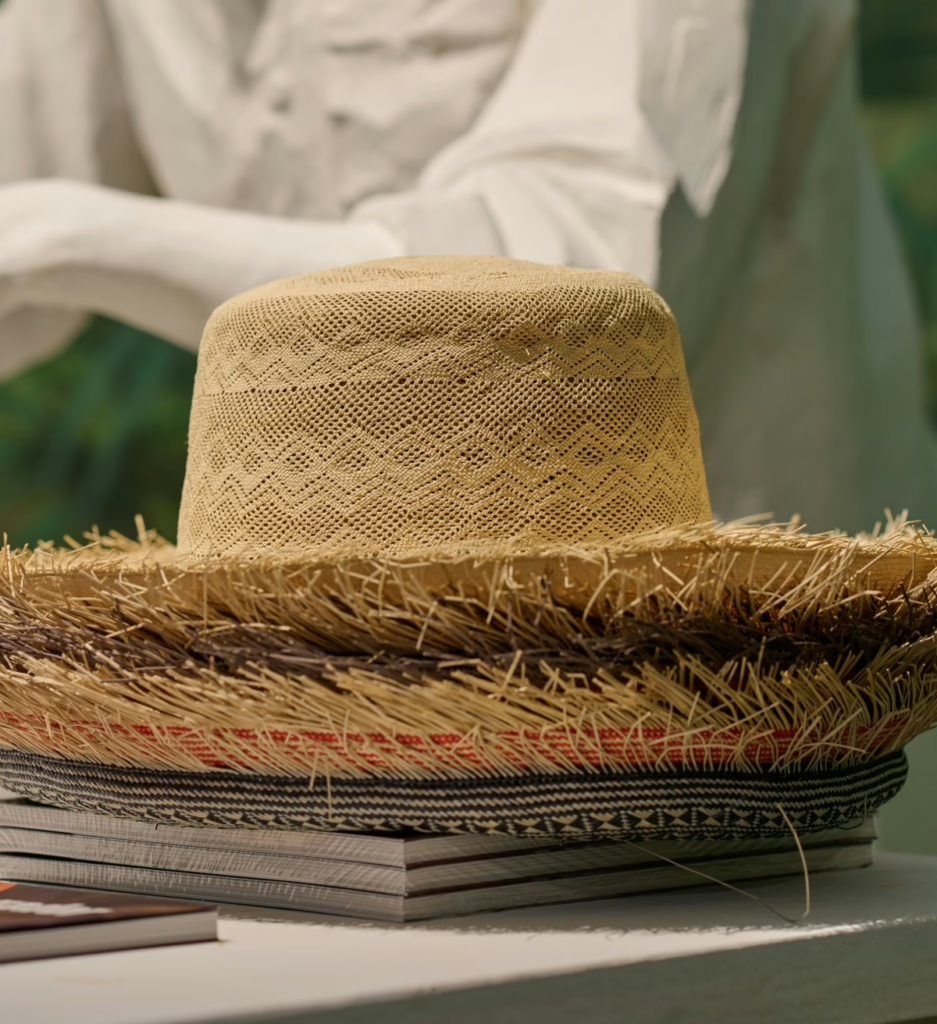
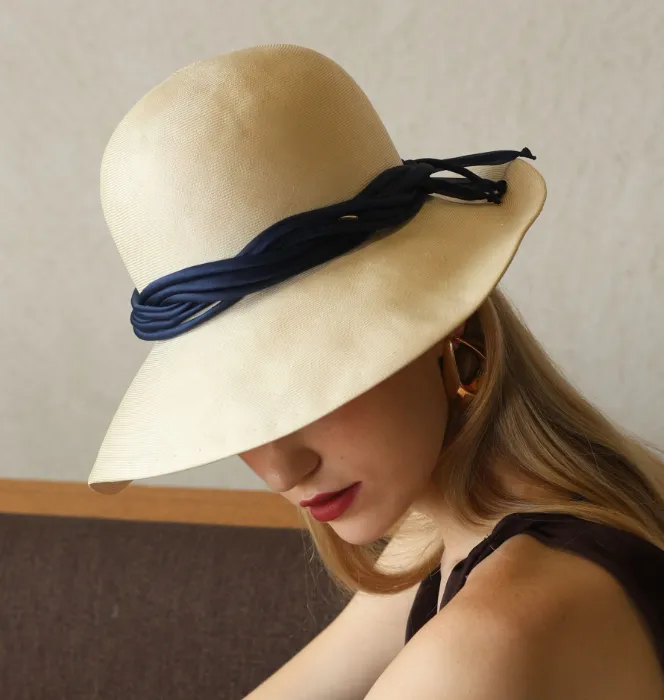
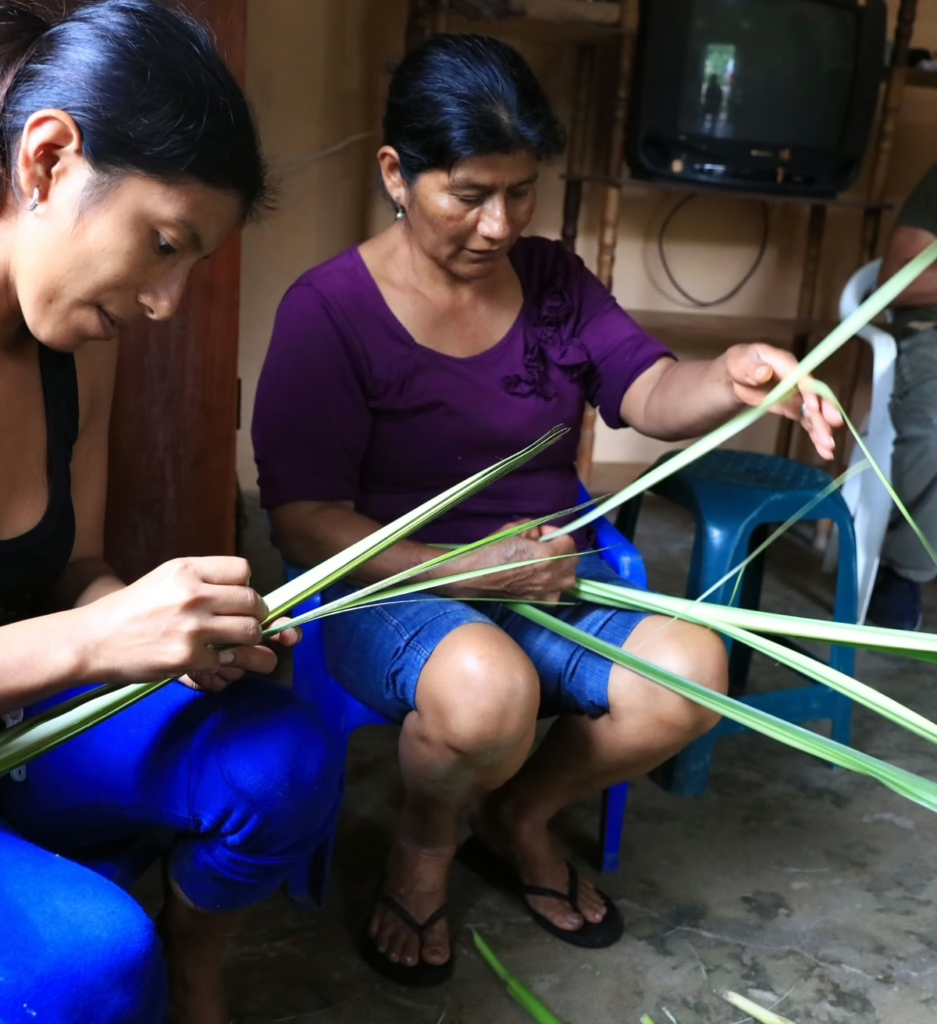
Panama hats are crafted in Ecuador from the stems of toquilla grass, and rose to global fame after being exported worldwide via the Panama Canal. The process of weaving these iconic hats from toquilla grass is exceptionally intricate.

Straw Refinement

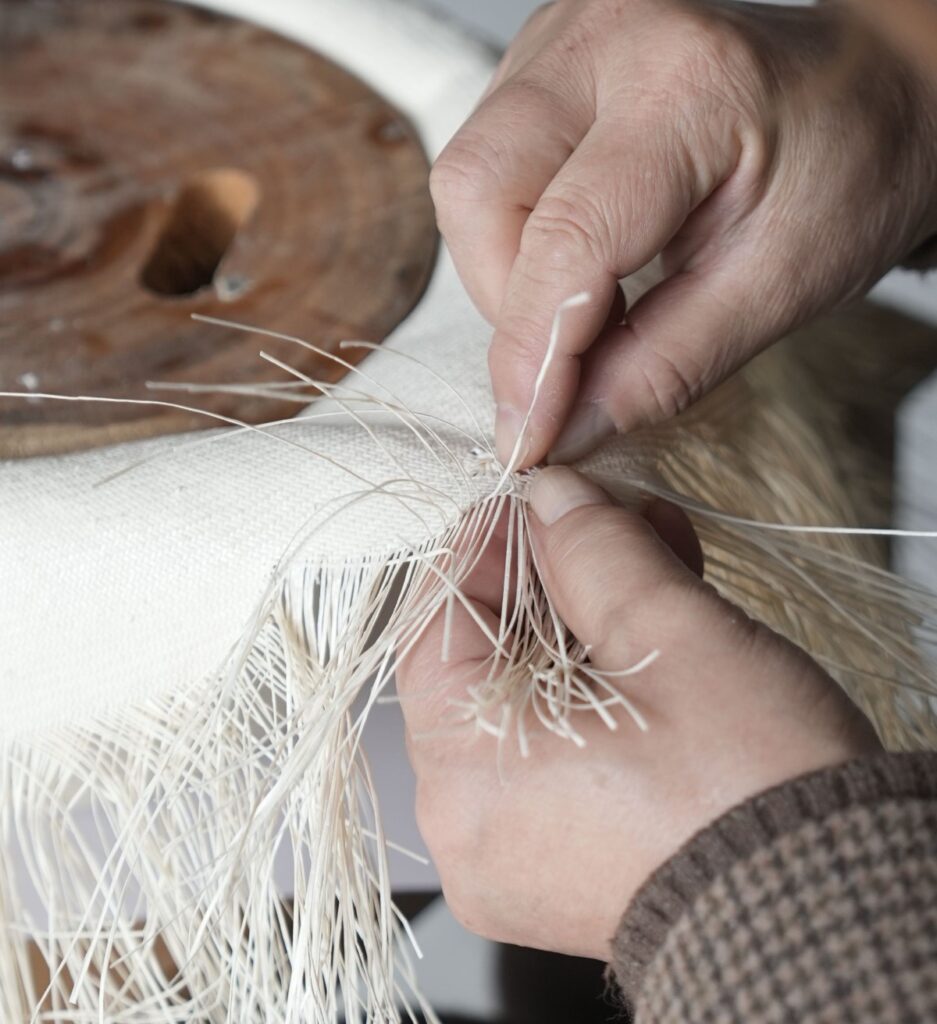
The process of making hats from toquilla grass is extremely complicated. After being picked, the toquilla grass must first be hand-threaded, boiled, drained, dried and smoked by craftsmen to produce a pure ivory-white color.

Exquisite Density
Reimagined

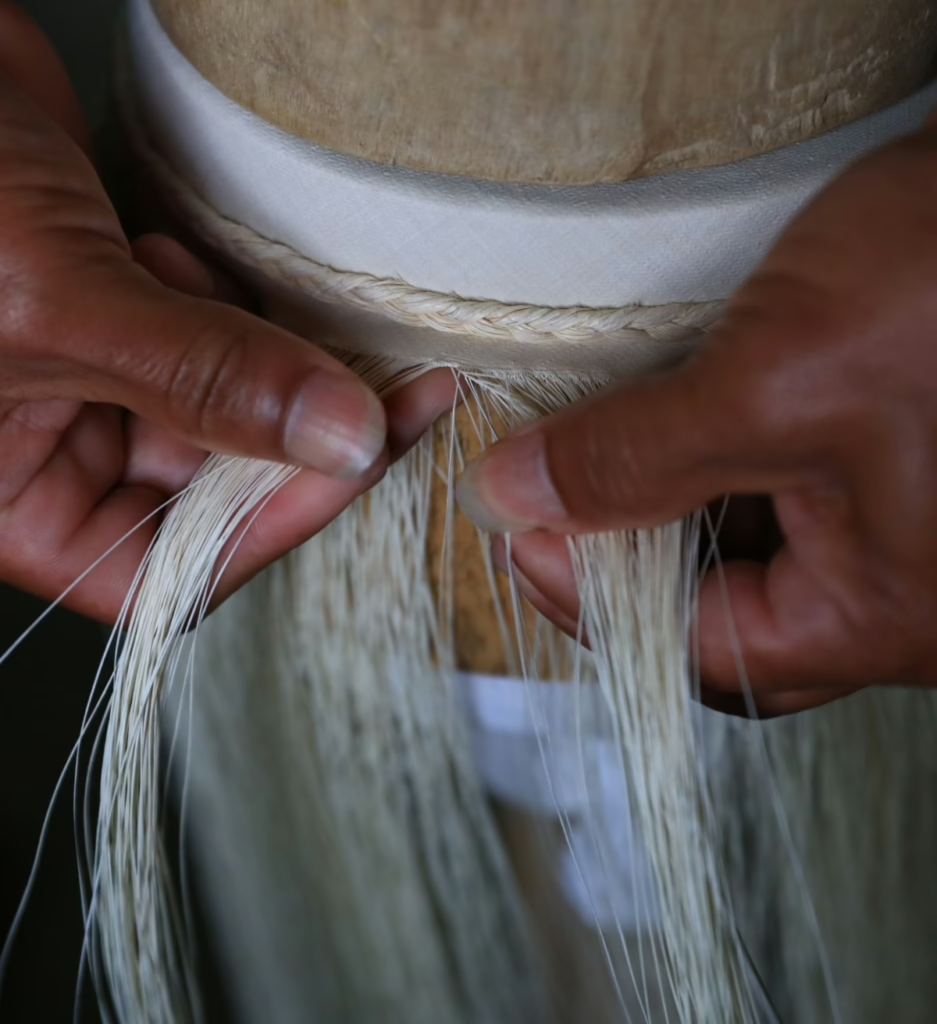
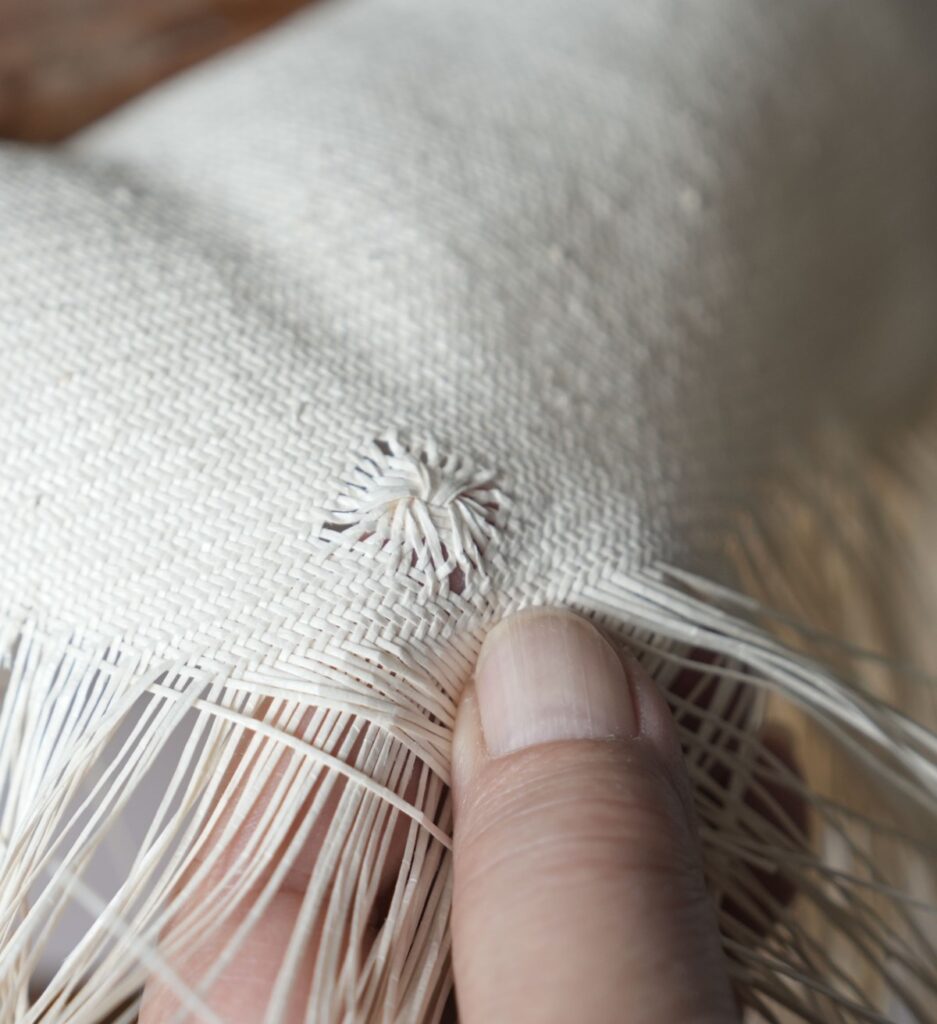
The extremely fine grass can become as thin as a hair. A basic style straw hat has about 10-11 stems per square inch, while a top-grade style has a weaving density of approximately 3,000 stems per square inch.

Panama Straw
Masterpieces

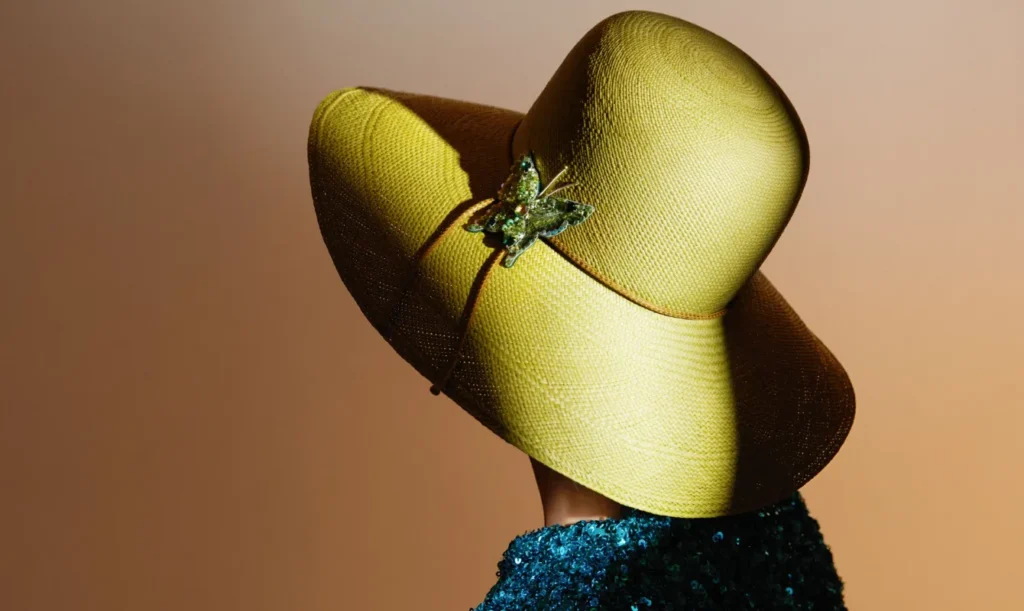
Crafting a single Panama hat takes master weavers 3 to 6 months to complete, and its exquisite craftsmanship was inscribed on UNESCO’s Representative List of the Intangible Cultural Heritage of Humanity in December 2012.

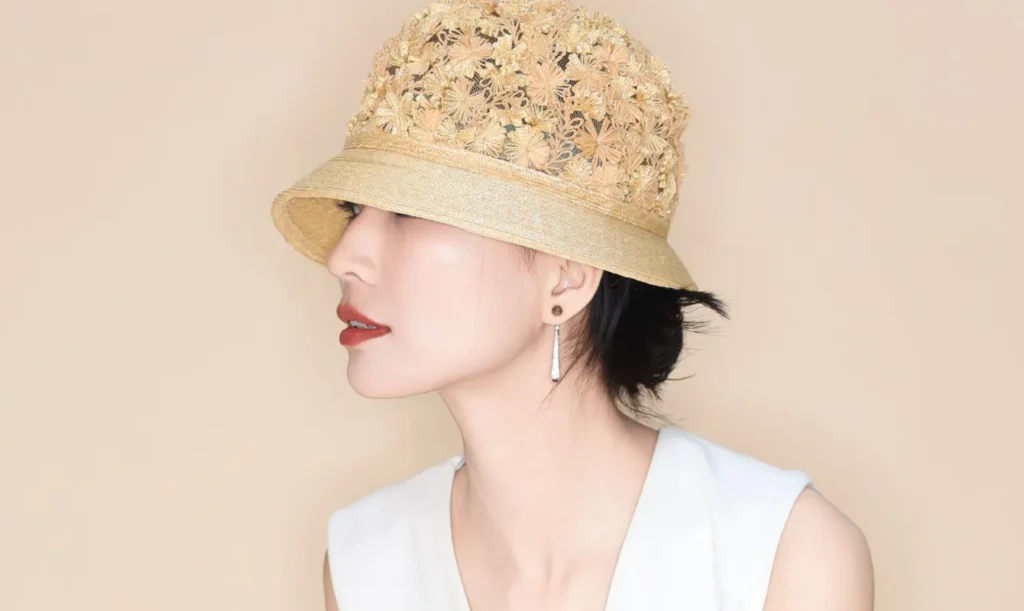
Raffia

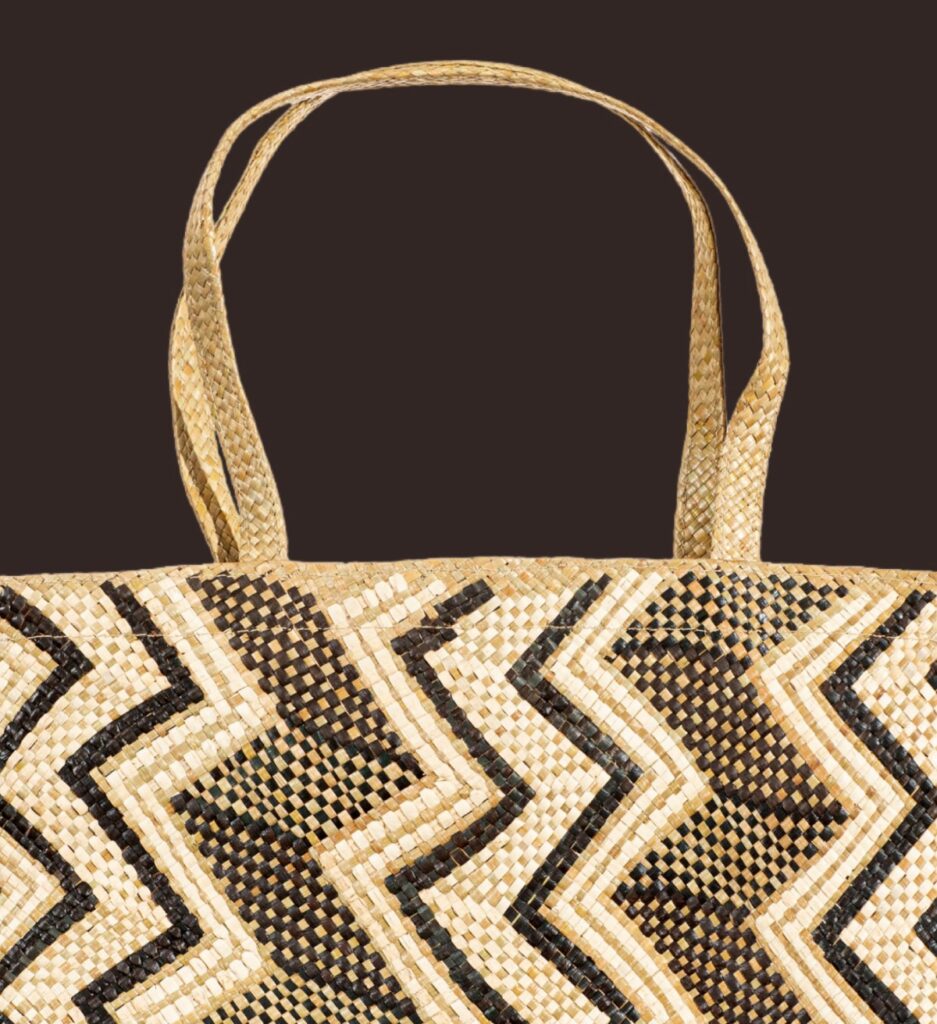
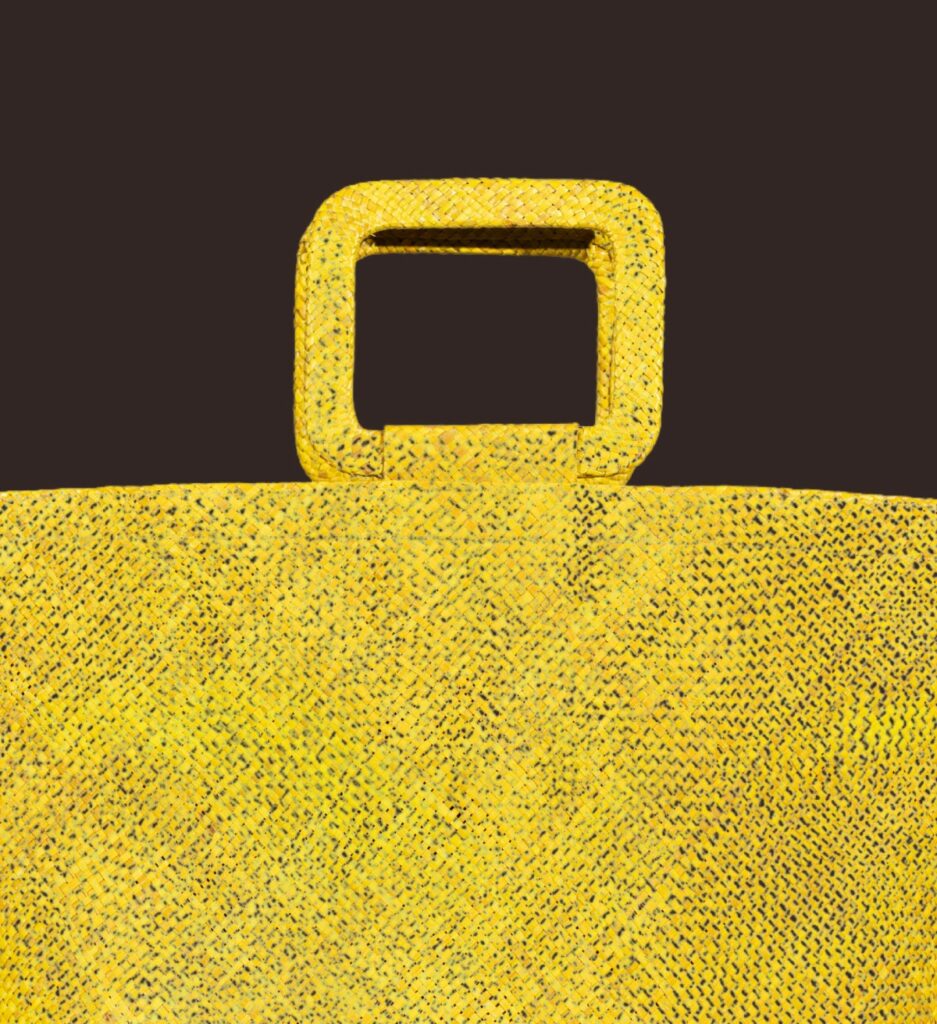
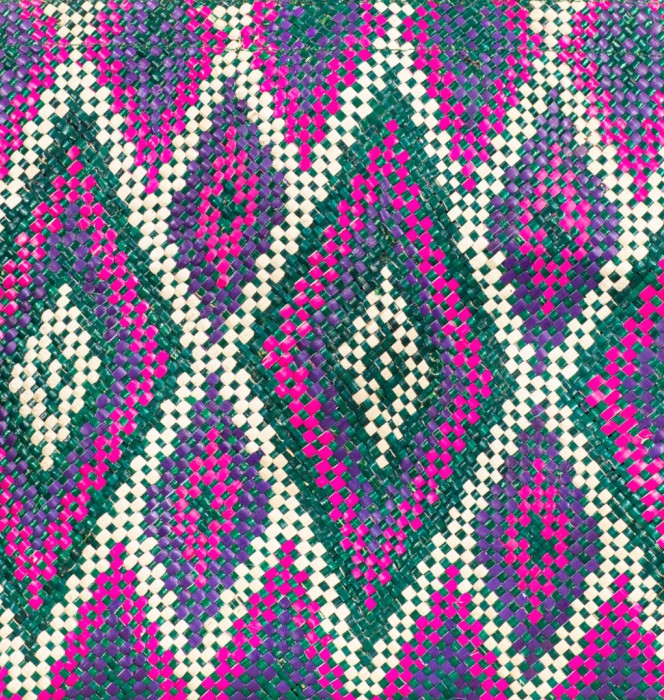
Raffia, a natural palm fiber, is the premium material of choice for high-end bags. It epitomizes the contemporary ethos of “quiet luxury, premium texture.” This unique material marries inherent, natural warmth with enduring practicality. Its versatility seamlessly elevates any occasion and complements a wide spectrum of personal styles.

Material & Texture

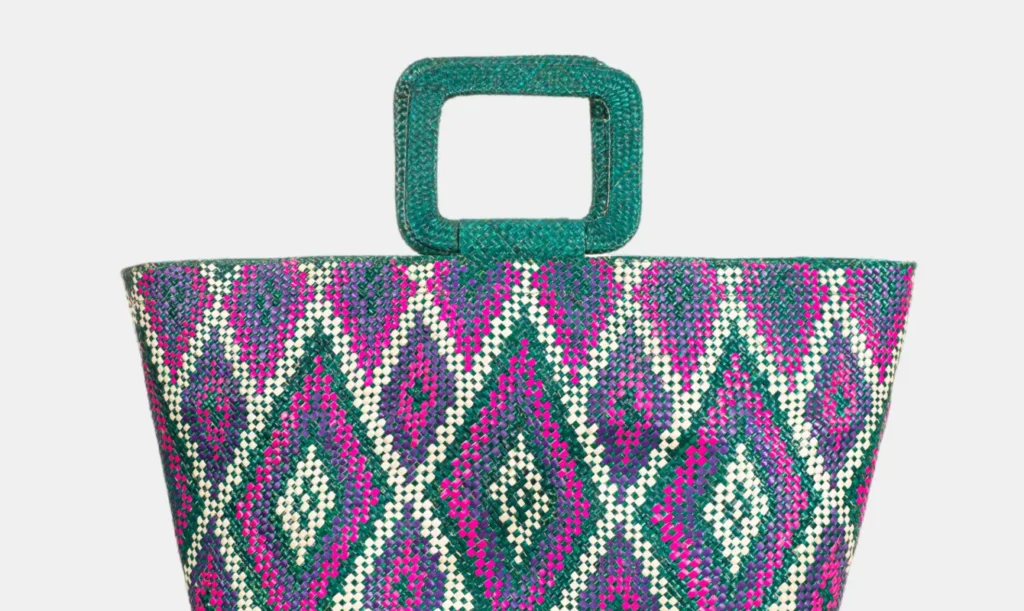
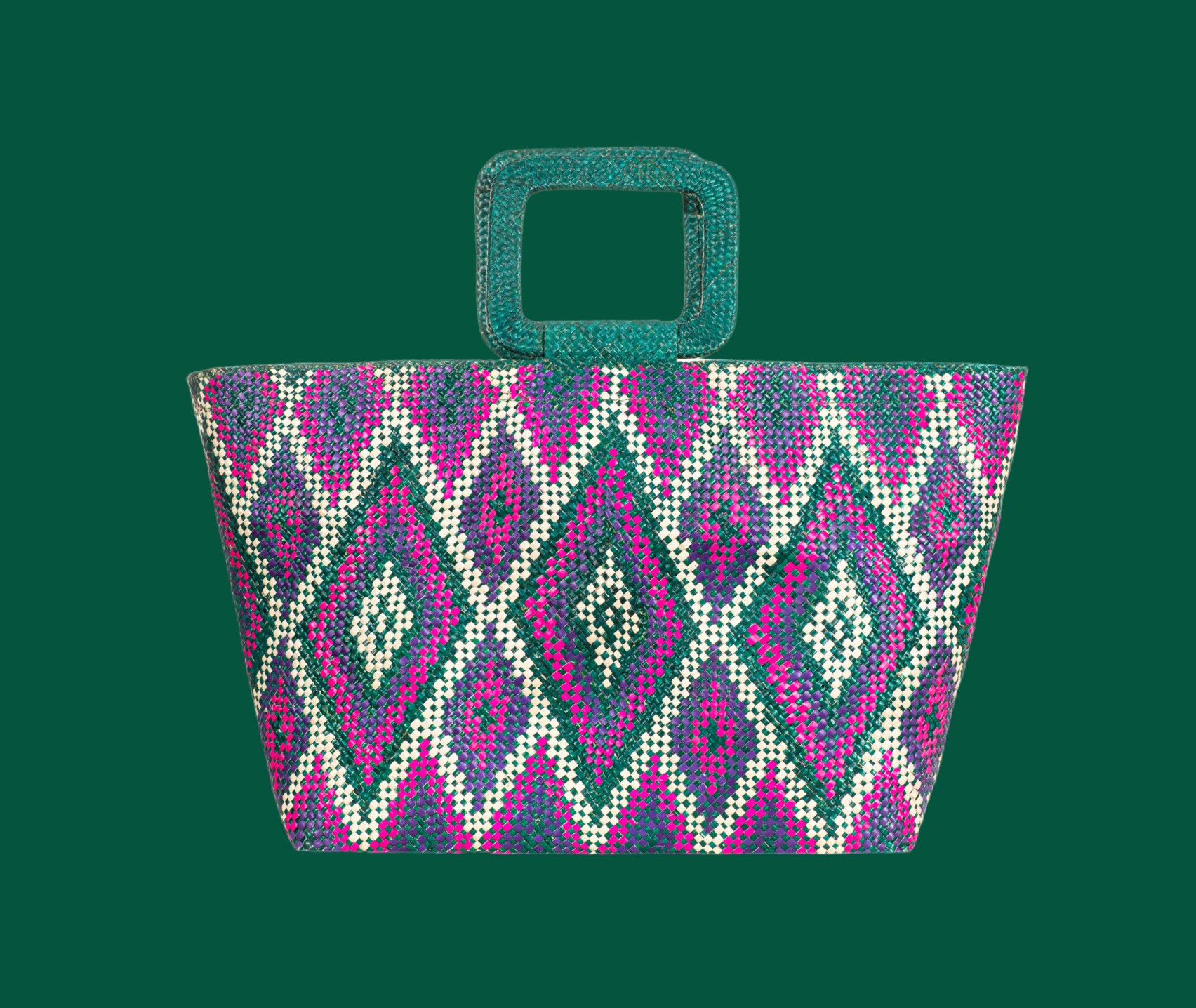
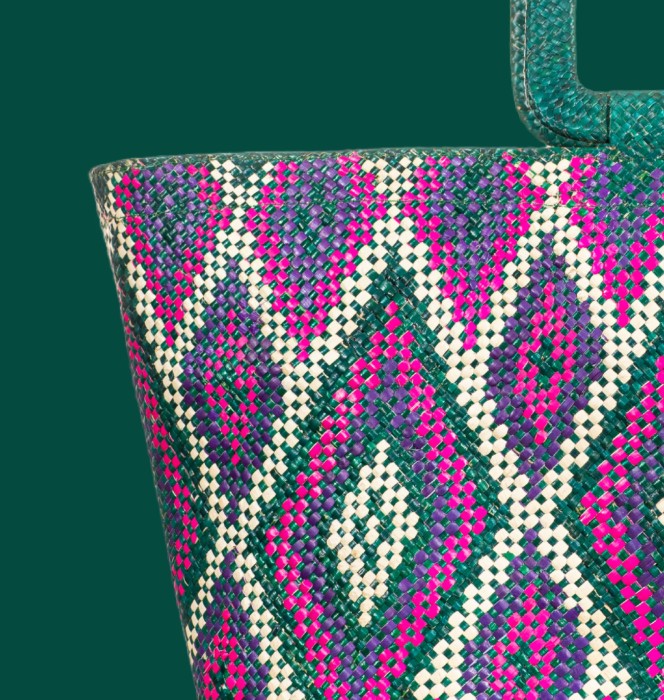
Crafted from natural raffia, raffia bags utilize versatile weaving techniques to create a rich array of textured patterns, all with excellent dyeability and color fastness.

Practical &
Sustainable

Defined by lightweight portability, exceptional durability, breathable comfort, and year-round versatility, they represent a sustainable choice that masterfully unites practical function with refined aesthetic appeal.

Raffia
Masterpieces

The signature pieces feature minimalist commuter styles and laid-back vacation designs, showcasing the natural warm hues and interwoven texture of raw raffia that exude understated luxury without excess ornamentation. Perfect for daily outings while elevating any style, they stand as exquisite high-end bag masterpieces that epitomize a commitment to both premium craftsmanship and a sustainable ethos.

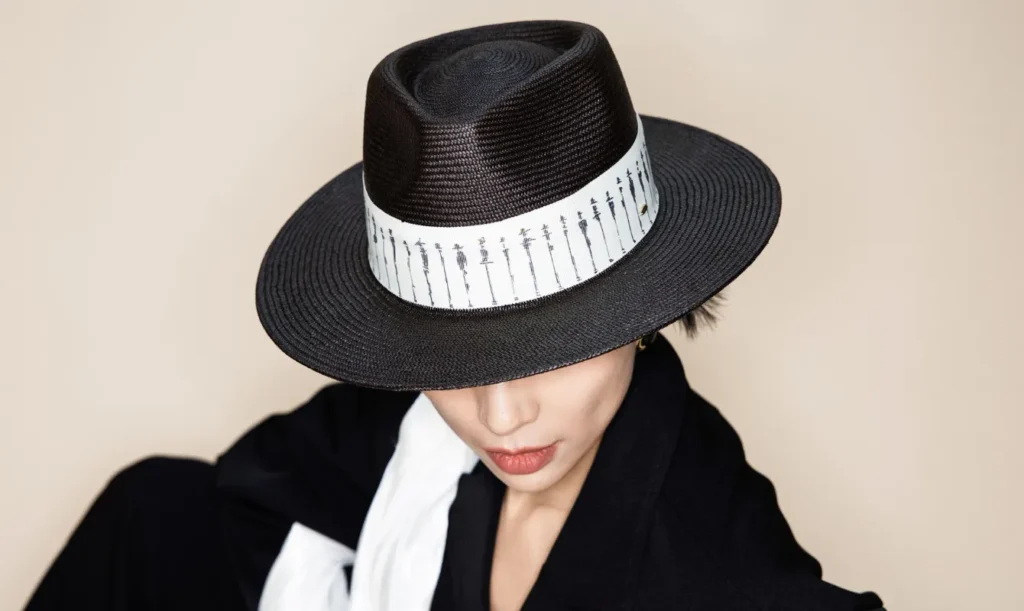
Wheat Straw

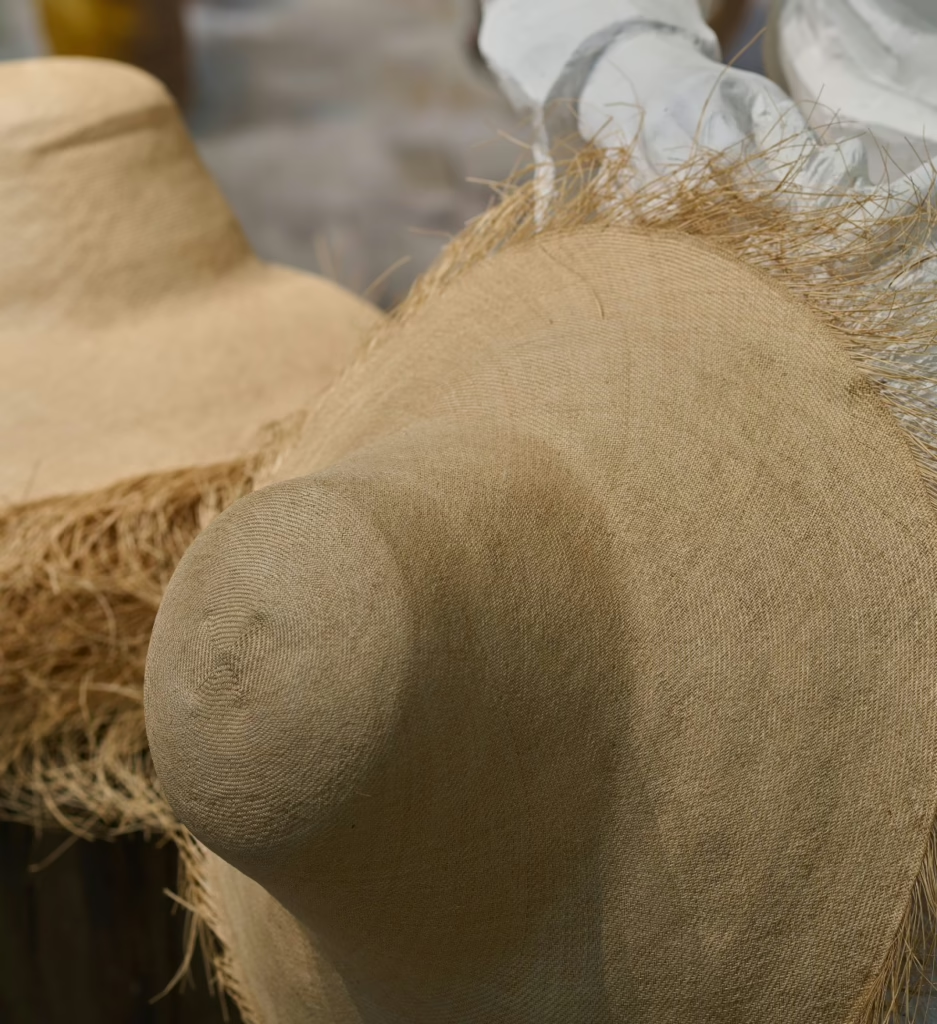
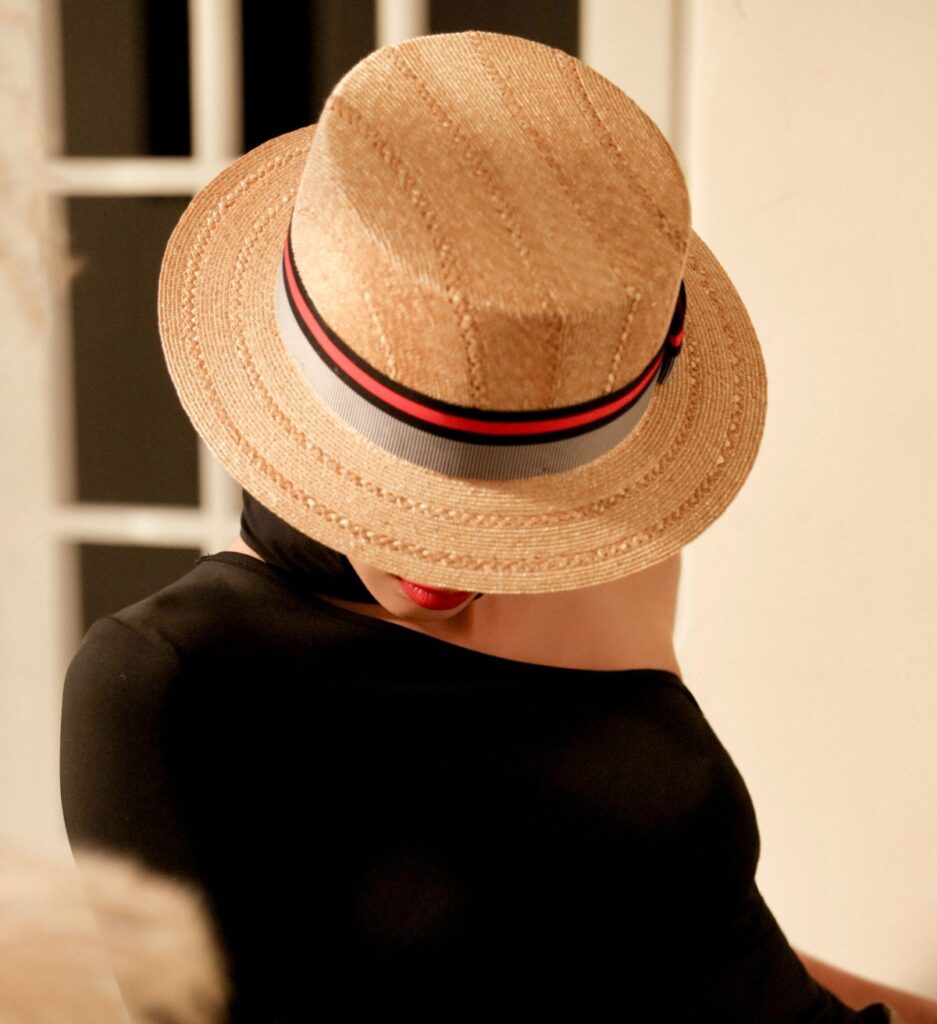
Barley straw is the primary choice for the straw cores of wheat straw hats, as its stalks are slender, smooth, bright white , high in purity and highly durable.

The Standard of
Thinness

The thickness of the wheat straw directly dictates the fineness of a wheat straw hat. Only the premium, uniformly slender stalks are selected for our high-end headwear. This rigorous material selection process is the first step to ensuring a flawless, smooth surface that feels soft against the skin.

Straw Gauge

Ultra-fine Wheat Straw: 3-3.5mm 
Fine Wheat Straw: 4-5mm 
Medium-Fine Wheat Straw: 5-6mm 
Medium Wheat Straw: 6-7mm 
Medium-Coarse Wheat Straw: 7-8mm Medium-Wide Wheat Straw: 8-9mm Wide Wheat Straw: 9-10mm

Wheat Straw
Masterpieces

You can hardly call yourself a true hat aficionado without owning a  Wheat straw hat.
A fine hat is not an ornament, but an attitude toward life— a declaration of taste.

Sisal straw hat

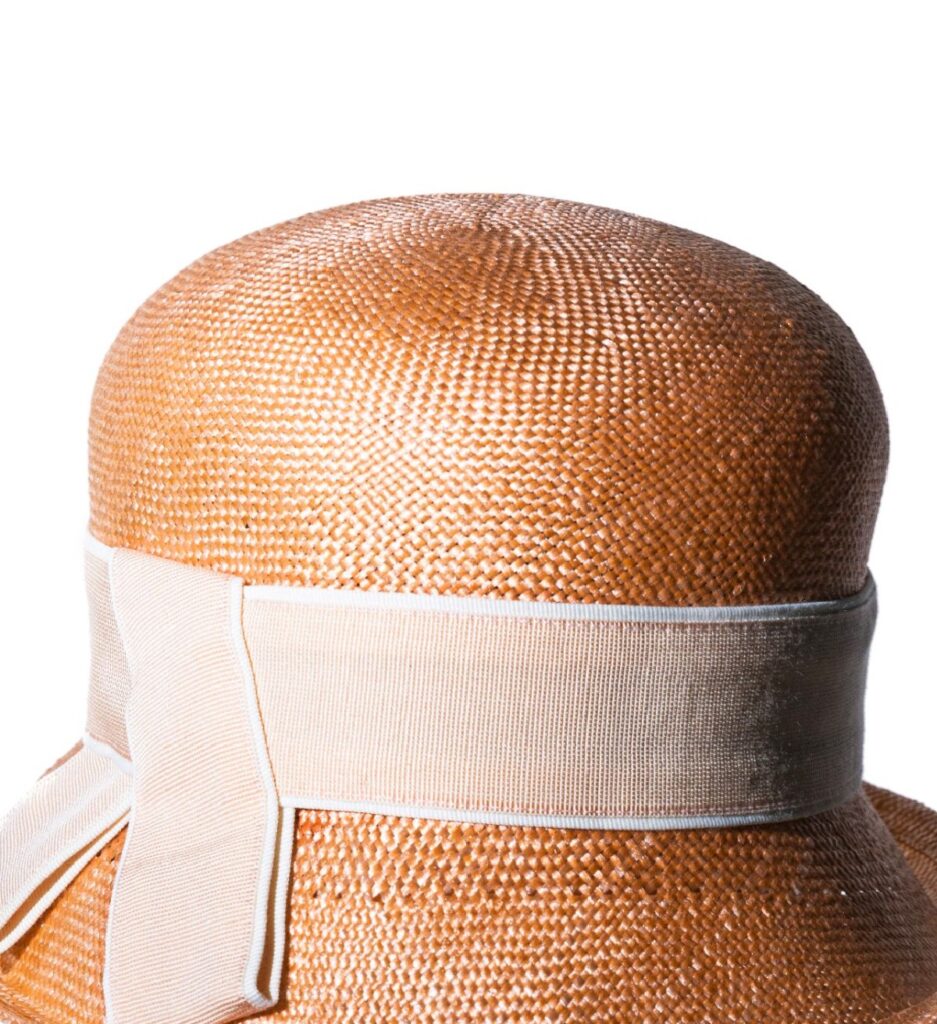
Sisal straw hats are crafted from tropical sisal fibers, embodying the warmth of artisanal craftsmanship and the elegance of summer. Their history is deeply intertwined with global trade and folk culture, evolving from humble everyday accessories into timeless classic pieces that harmoniously blend practical utility, refined aesthetic appeal and profound cultural connotation.

Aristocratic Icon

In the mid-1800s, sisal hats reached Europe and America by sea. Valued for their natural sun protection and lightweight feel, they became iconic seaside and estate wear for the aristocracy, symbolizing the quintessential “holiday gentleman or lady.” By the early 1900s, the handwoven craft had evolved, incorporating embroidery and binding to create a rich variety of styles.

Practical &
Sustainable

Sisal fiber itself offers exceptional durability, weather resistance, UV protection, lightness, and breathability—making it a natural ally against the summer sun. Today, it embraces innovations like eco-friendly dyeing, positioning it at the forefront of the sustainable fashion movement.
Sisal straw hat
Masterpieces

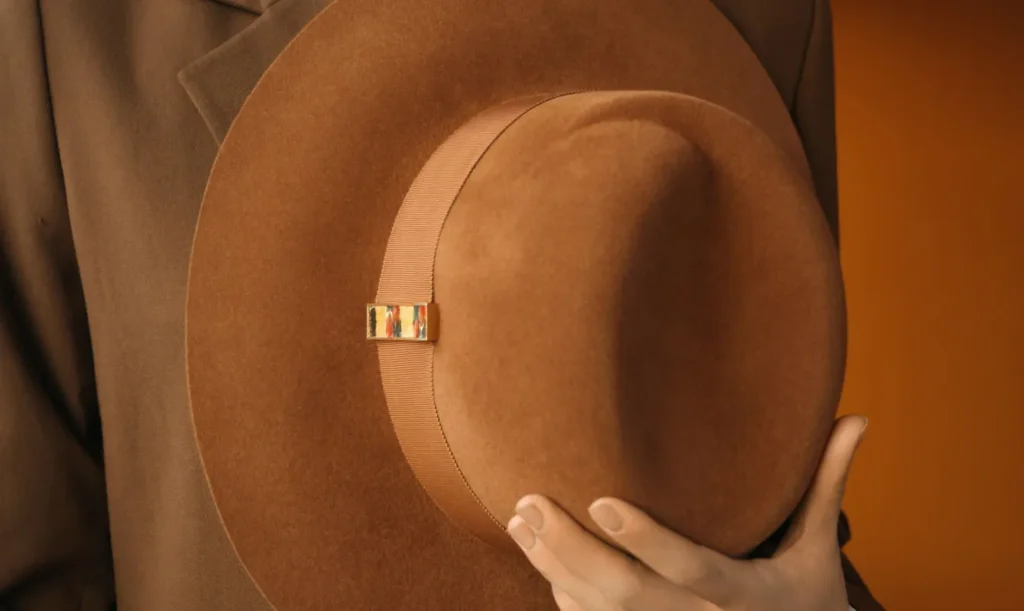
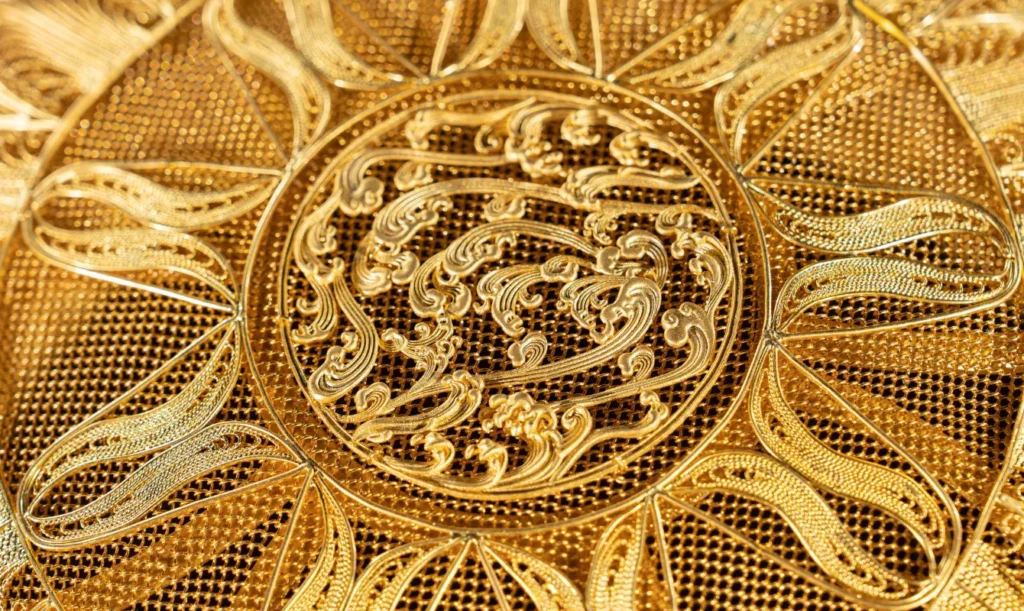
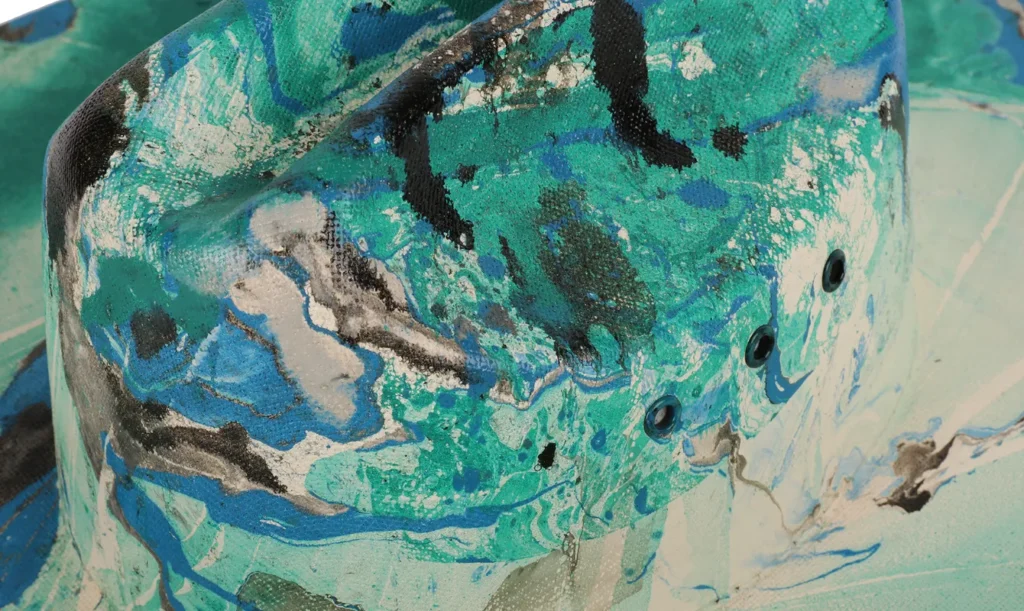
The signature pieces encompass classic wide-brimmed vacation styles and elegant formal hat designs, ranging from minimalist basics that preserve the natural texture of raw sisal fibers to high-end editions infused with ICH craftsmanship and accented with metal hardware. Perfectly suited for occasions such as coastal getaways and manor leisure, these pieces stand as timeless classic accessories that blend refined elegance with practical functionality.

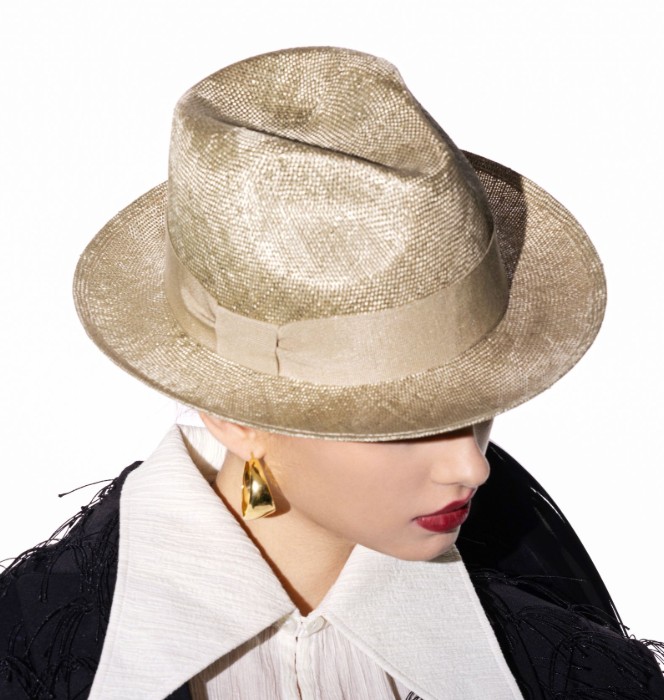
Toyo Paper

Toyo Papercrucial for crafting washi hats, is made from the fibers of coniferous trees that thrive in alpine woodlands. These trees are rich in resin and grow slowly.

From China to
Japan

The improvement of papermaking by Cai Lun during the Eastern Han Dynasty propelled the accumulation and transmission of culture. This technology later spread to Japan in the Asuka Period, where it evolved into the distinctive washi papermaking technique. Infused with local characteristics, Toyo Paper went on to endow hats woven from it with a uniquely refined texture. 

Craft & Grading

The production process of washi paper is intricate and rigorous, mastered by only a handful of factories today. Its value varies according to thickness, which is classified as follows:
Rare: Approx. 0.8-1mm Premium: Approx. 1.5-2mm Standard: Approx. 2.5-3mm

Toyo Paper
Masterpieces

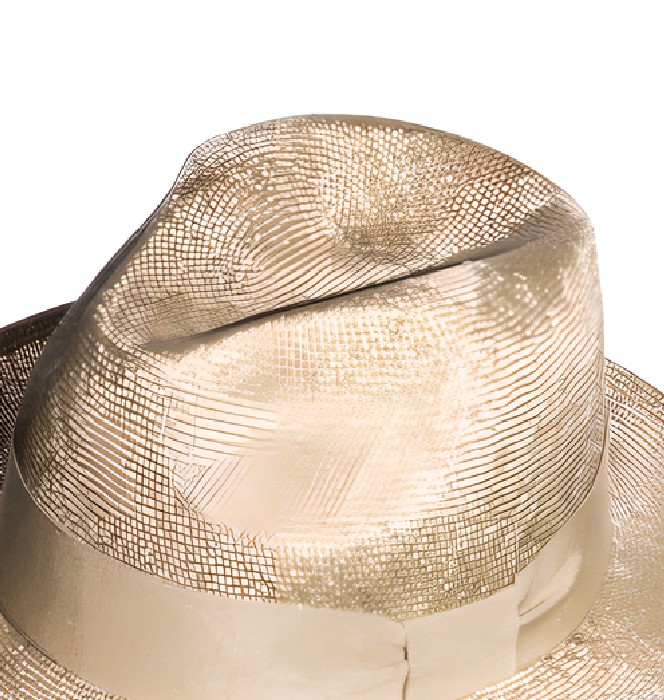
When treated with wax, Japanese washi hats unveil a soft, silvery sheen. This finish carries an understated warmth, resulting in an elegance that is profoundly natural.